


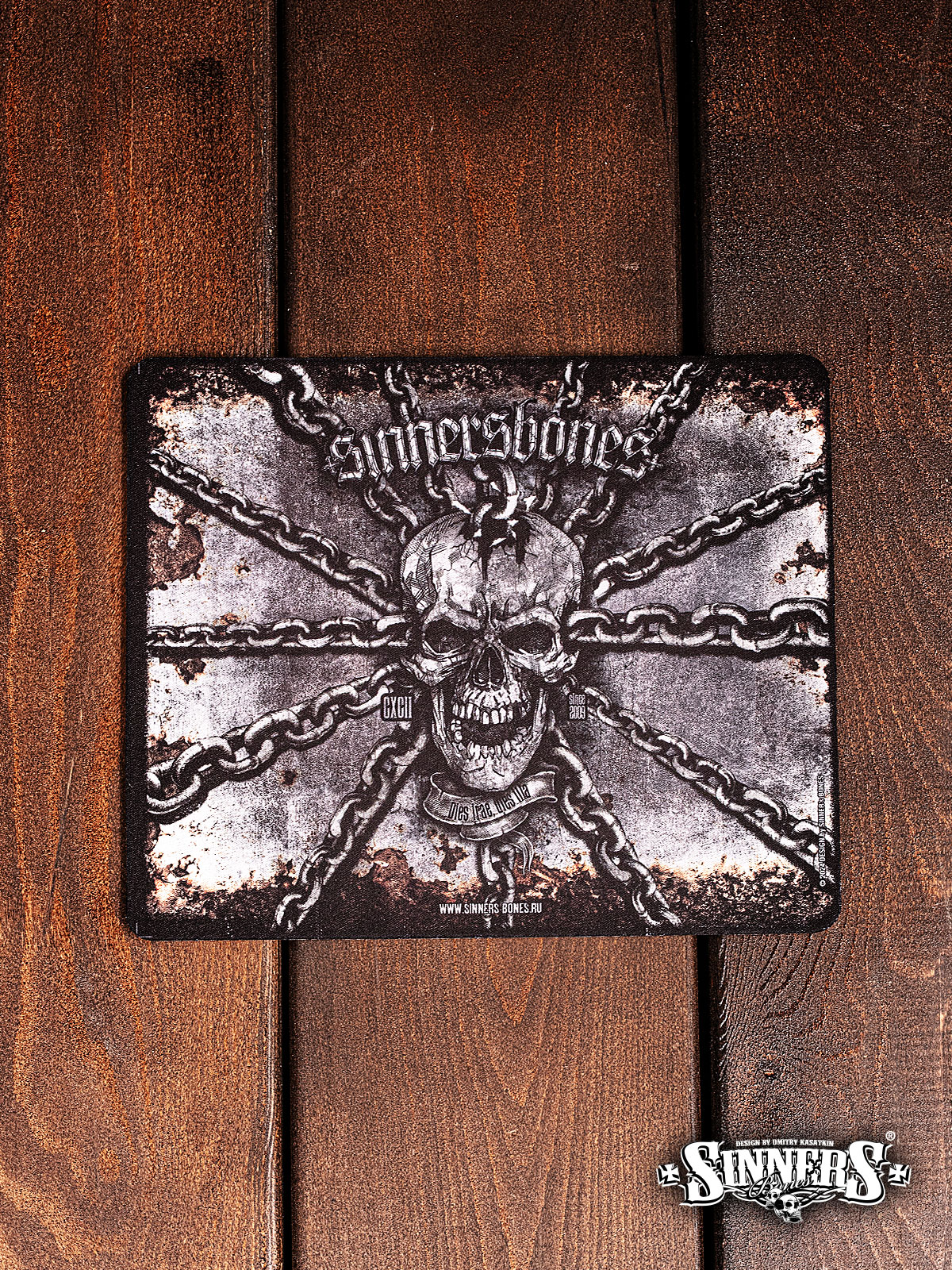
Mouse pad "Dies irae, Dies illa"


Available quantity: 31 pcs
Article number:
SB-PFM2403
Цвет:
Черный
A gaming mouse pad featuring a striking image of a skull pierced by chains, with the phrase "Dies irae, dies illa" (That day, the day of wrath). This pad symbolizes not only courage but also a deep connection to history and ancient prophecies. Inspired by a church hymn, it evokes images of Judgment Day, reminding us that every gaming moment is a test of endurance.
"Dies Irae, Dies Illa" is not just an accessory; it is a true manifesto of your strength and resilience. It speaks to the readiness to face any challenges head-on and to overcome obstacles on the path to victory.
Gift yourself or your loved ones this unique accessory that inspires new achievements and serves as a reminder that each day is a new battle. "Dies Irae, Dies Illa" — choose strength and mystique in every game!
Made from high-quality materials with a fabric surface and rubber base, the mouse pad is easy to clean and wear-resistant, making it an ideal choice for both home and office. Measuring 235x195 mm (A4 size), it provides a comfortable space for your mouse movements, while the bright and memorable design will be a great accent in any interior.
Description:
"Dies Irae, Dies Illa" - is a famous medieval church hymn that has become an integral part of the requiem mass. Its title translates to "Day of Wrath, that day," and it serves as a powerful reminder of Judgment Day, when, according to Christian teaching, the final judgment of souls will take place.
The hymn is based on a biblical prophecy from the Book of Zephaniah, which describes the dreadful day when the Lord will come to judge the world. The texts of the hymn convey themes of fear, repentance, and hope for mercy. It depicts apocalyptic imagery, such as the destructive forces of nature and the appearance of angels calling to account for deeds done on earth.
The structure of the hymn consists of several stanzas, each enhancing the atmosphere of anxiety and anticipation. They raise important questions about life, death, and eternity, creating a profound emotional connection with believers. "Dies Irae" is often performed in the context of funeral rites, emphasizing grief and remembrance of the departed.
Over time, the hymn has inspired many composers, including Mozart and Verdi, who have incorporated it into their musical works. "Dies Irae" continues to be an important element of Christian tradition, provoking reflections on the meaning of life and the inevitability of each person's fate.







Opinions (0)